
Buying a Second Home: Look Beyond the Purchase Price


Buying a second home is often an emotional decision. It may be a place where a family plans to spend summers, a property that can generate rental income, or a home that could eventually become a primary residence in retirement.
It is also a major financial commitment, and the purchase price is only one part of the decision.
Consider the Initial Decision
One of the first conversations we have with clients is about how they realistically expect to use the property. A home used only by the family may be approached differently from one that will be rented for part of the year. The planning changes again when the buyer expects to retire there or hopes to keep the home in the family for the next generation.
Those decisions can affect everything from financing and insurance to the way the property is titled.
Keep Enough Liquidity
Some buyers are comfortable paying cash, especially when doing so makes their offer more attractive. This can be a good solution, but it is important to consider what the balance sheet will look like after closing.
Often, buyers focus on having enough cash for the purchase without giving as much thought to what comes next. Second homes have a way of costing more than expected in the first year, especially once renovations, furniture, maintenance, and unexpected repairs are added in.
That is particularly true if the property has a dock, septic system, well, private road, or older mechanical systems.
A mortgage may allow a buyer to preserve more liquidity. Depending on the situation, other options could include borrowing against an existing residence or using a securities-backed line of credit.
There is no single best approach. A securities-backed line may offer flexibility, but the rate is typically variable, and a decline in the pledged investments could require the borrower to add collateral or repay part of the balance. Borrowing against another property can also create different tax considerations.
The lowest rate is not always the most important factor. Flexibility, liquidity, and the expected length of ownership can matter just as much.
Understand the Ongoing Costs
Before making an offer, buyers should develop a realistic estimate of the property’s annual carrying costs. These include real estate taxes, insurance, association fees, utilities, and routine maintenance.
It is also worth determining whether the property will be reassessed after the sale. In some communities, the current owner’s tax bill may not be a good estimate of what the new owner will pay.
Mortgage interest on a qualified second home may be deductible when the taxpayer itemizes, but federal debt limits generally apply across both the primary residence and second home. Buyers who already have a large mortgage should not assume that all of the interest on the new property will be deductible.
Rental use adds another layer. Rental income, personal-use days, depreciation, local licensing requirements, and additional insurance may all affect the financial picture. These issues are much easier to address before the property is purchased rather than after the first rental season.
Think About Where the Property May Lead
A second home may eventually become a primary residence. When that happens, establishing domicile in a new state usually requires more than simply spending additional time there.
Tax filings, voter registration, driver’s licenses, vehicle registrations, and primary mailing addresses should all tell a consistent story. This is especially important when someone is moving between states with different income, estate, or inheritance tax rules.
A move is also a good time to review wills, trusts, powers of attorney, and healthcare directives. The ownership of the property should be reviewed as well, particularly if the intention is to keep the home in the family.
Families should also have an honest conversation about who will pay the expenses, how the home will be used, and what happens if one family member eventually wants to sell.
A second home can be a wonderful family asset, but it should still fit comfortably within the rest of the financial plan. Before moving forward, buyers should talk through financing with their banker and review the tax and estate implications with their advisors. A little planning at the beginning can prevent expensive surprises later.
Begin your journey
Have questions?
Speak with an financial expert.
Recent Articles
-
Two the Point – A Good Economy Isn’t Enough
A strong economy doesn’t guarantee strong investment opportunities. Watch for key insights on navigating today’s market.
-

Tax Planning Moves to Consider Before Year-End
Tax planning starts long before filing season. Discover key year-end tax strategies, retirement contribution opportunities, charitable giving tips, and other…
-
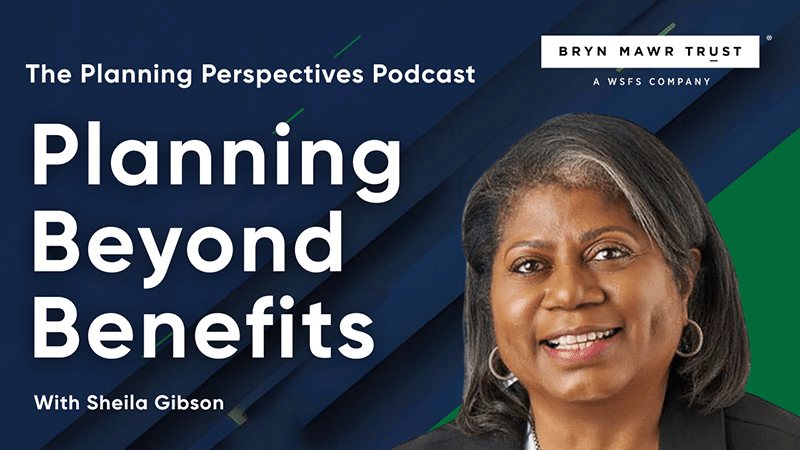
Planning Beyond Benefits (Ep. 28)
In this episode, Kate Duffy sits down with Sheila Gibson, Senior Wealth Advisor at Bryn Mawr Trust, to discuss the…
Recent Insights
-

Tax Planning Moves to Consider Before Year-End
Tax planning starts long before filing season. Discover key year-end tax strategies, retirement contribution opportunities, charitable giving tips, and other financial moves before December 31.
-
Planning Beyond Benefits (Ep. 28)
In this episode, Kate Duffy sits down with Sheila Gibson, Senior Wealth Advisor at Bryn Mawr Trust, to discuss the role of special needs trusts and guardianships in…