
The Path to Philanthropist: Building a Strategic Giving Plan


Great philanthropists often have similar traits: budgeting skills, saying no, and being endlessly curious. These somewhat surprising skills allow them to focus on their own giving strategies, supporting projects that align with their core values, and making as much impact as possible.
Whether it’s adding beauty to your community, increasing access to the arts, providing shelter and food, or preserving our environment, almost every philanthropist is guided by a core value. If you’re new to giving strategically, start by identifying yours.
Think about what has most influenced you and your success, what factors changed your family’s story, and what values you want to encourage in others. Somewhere in the answers to these questions, you’ll likely see a theme emerge—that’s your key value.
Values are foundational, but they’re not bedrock. They may change over time.
Build Your Giving Strategy
Start by evaluating your current giving through the lens of your core values. While you may be giving generously to many causes, they may not all be in the center of your values.
Which organizations are doing work that connects to the key themes you identified? Make a list of your past contributions and highlight these. Over time, you’ll likely want to start consolidating your giving toward these organizations or others like them.
When we give many small gifts, we spread our impact thinly. If we roll those smaller amounts into one contribution and apply it to work close to our hearts, we’ve made a high-impact investment in work that connects to our core values. For individual philanthropists, sharing a decision to give within our values sounds something like this, “Right now, I am only giving to projects that address affordable housing.” This gentle “no” gets easier the more it’s practiced.
Setting a Giving Budget
Giving and budgeting don’t seem to go hand-in-hand, and yet strategic philanthropists benefit greatly from it. Start by adding up every contribution you made last year, including monthly gifts, charity-run contributions, memorial donations, stock transfers to your Donor Advised Fund (DAF), year-end gifts, Qualified Charitable Distributions (QCDs) from your IRA, and payments toward multi-year pledges. The resulting total is your annual giving budget.
Think strategically about your giving budget in two ways: taxes and outcomes. From a tax perspective, are you taking advantage of asset-based gifting opportunities, like contributing appreciated stock or using a DAF or QCD? Work with your financial advisor every year to plan your giving, making sure you’re employing tax-smart strategies wherever you can. If you do this well, your charitable budget may grow from the resulting tax savings.
For philanthropic outcomes, is the majority of your giving flowing into work that exemplifies your key values? There are always gifts to make related to our social obligations, like your niece’s 5K run or a memorial donation. A good rule of thumb is to allocate 90% of your giving budget to your strategic priorities and the remaining 10% to these social obligations.
Know Your Favorite Charities
As you focus your giving on your values, it’s important to get to know the leadership of organizations to which you make major gifts. Sit down with an executive and ask your questions: “How do you use my gifts? What challenges do you face? How else could I participate?” Use this time to decide how you’re aligned with the organization’s plans and how much trust you have in its key leaders.
Volunteering, especially on committees or boards, may also give you more insight into how charities are run.
Strategic Giving is the Destination
It takes time and real effort to give strategically, and for many people it’s a journey. As you fine-tune your approach, think through these principles each year. As a philanthropist, the payoff is knowing you have materially impacted the issues you care about most.
Begin your journey
Have questions?
Speak with an financial expert.
Recent Articles
-
Two the Point – A Good Economy Isn’t Enough
A strong economy doesn’t guarantee strong investment opportunities. Watch for key insights on navigating today’s market.
-

Tax Planning Moves to Consider Before Year-End
Tax planning starts long before filing season. Discover key year-end tax strategies, retirement contribution opportunities, charitable giving tips, and other…
-
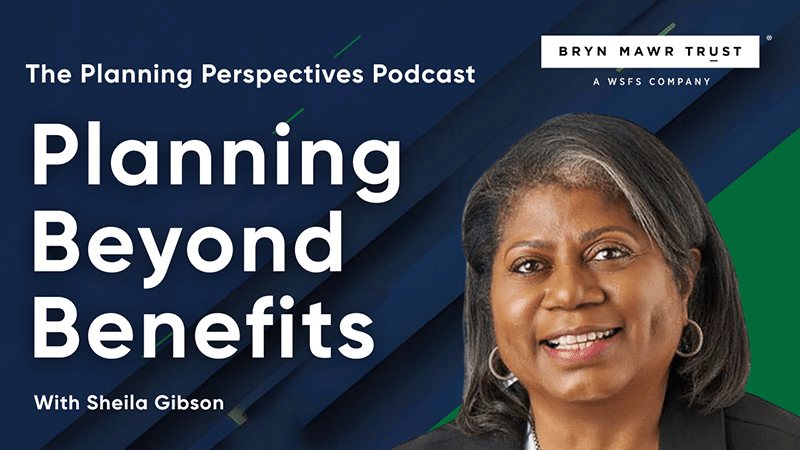
Planning Beyond Benefits (Ep. 28)
In this episode, Kate Duffy sits down with Sheila Gibson, Senior Wealth Advisor at Bryn Mawr Trust, to discuss the…
Recent Insights
-

Tax Planning Moves to Consider Before Year-End
Tax planning starts long before filing season. Discover key year-end tax strategies, retirement contribution opportunities, charitable giving tips, and other financial moves before December 31.
-
Planning Beyond Benefits (Ep. 28)
In this episode, Kate Duffy sits down with Sheila Gibson, Senior Wealth Advisor at Bryn Mawr Trust, to discuss the role of special needs trusts and guardianships in…